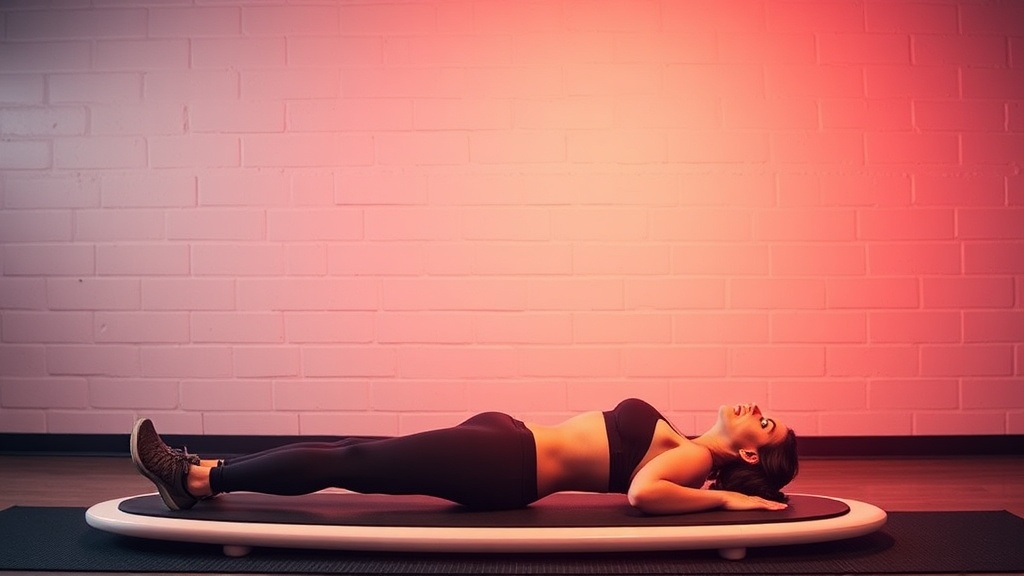
Prehab Routines for Stronger Core Stability on the Board

A skater hits a small pebble, loses their center of gravity, and suddenly finds themselves tumbling sideways because their midsection gave way. This isn't just a lack of balance; it's a failure of the core to stabilize the spine under pressure. This guide breaks down specific prehab routines designed to build core stability, helping you stay upright during heavy carves and unexpected bumps.
Longboarding requires more than just leg strength. While your quads and calves do the heavy lifting, your core acts as the bridge between your upper and lower body. If that bridge is weak, your movements become jerky, and your control vanishes when things get technical. We're looking at exercises that focus on stability and reactive strength rather than just "six-pack" aesthetics.
Why Does Core Stability Matter for Longboarding?
Core stability provides the foundational strength needed to maintain an upright posture and absorb impacts during turns or bumps. When you're carving, your core manages the rotational forces generated by your hips and shoulders. Without a stable center, your upper body wobbles, which throws off your weight distribution on the board.
Think about a high-speed carve on a downhill run. You're leaning hard into a turn, and your center of gravity is shifting constantly. If your core is soft, you'll lose the ability to resist centrifugal force. This leads to "washing out" or losing your edge. It's also a matter of safety. A strong core protects your spine from the jarring vibrations of rough pavement—a common issue when riding hard wheels like Orangatang or Seismic wheels.
Beyond just balance, a stable core helps with your overall-boarding economy. If you're constantly fighting to keep your torso upright, you're wasting energy. That energy should be going into your turns and your push. It's also directly linked to your ability to maintain a solid stance during foot braking. If you haven't looked into saving your knees through better foot braking, you'll see how much lower-body control starts with a stable trunk.
A strong core also aids in technical tricks and transitions. Whether you're pumping in a bowl or trying to stay centered during a heavy cross-step, your midsection is what keeps your weight where it needs to be. It's the difference between a controlled recovery and a nasty fall.
What Are the Best Core Exercises for Board Sports?
The best core exercises for board sports focus on anti-rotation, anti-extension, and lateral stability. Most skaters need "functional" core strength—the kind that works while you're moving—rather than just static holds. You need to be able to resist being knocked off balance.
I like to categorize these into three specific types of movement. Here is a breakdown of what you should be working on:
- Anti-Rotation: These exercises train you to resist twisting forces. This is vital when you're carving or dealing with an uneven surface.
- Anti-Extension: These prevent your lower back from arching too much. This keeps your posture neutral when you're leaning into a turn.
- Lateral Stability: This builds the strength to handle side-to-side weight shifts. It's what keeps you from "folding" during a hard carve.
The Top Prehab Routine Breakdown
Don't just do sit-ups. Sit-ups are fine for gym-goers, but they don't translate well to the board. Instead, try these specific movements to build a more useful kind of strength.
| Exercise Type | Recommended Movement | Why It Works |
|---|---|---|
| Anti-Rotation | Pallof Press | Teaches you to resist being pulled off-center. |
| Anti-Extension | Dead Bug | Builds control over your spine and pelvic position. |
| Lateral Stability | Side Plank | Strengthens the obliques for better carving control. |
| Dynamic Stability | Bird-Dog | Connects the shoulder and hip stability through the core. |
For the Pallof Press, you'll need a resistance band or a cable machine. You hold the band at chest height and press it outward, resisting the band's attempt to pull your torso toward the anchor point. It's a simple move, but it's incredibly effective for teaching your body to stay centered under tension.
The Dead Bug is a staple for a reason. It forces you to keep your lower back glued to the floor while your limbs move—exactly what you need to do when navigating obstacles. It’s much better for your back than traditional crunches. If you're looking for more detailed movement patterns, the Wikipedia entry on core stability provides a deep dive into the physiological side of things.
How Often Should I Do Core Prehab?
You should perform these core stability exercises two to three times a week to see noticeable improvements in your board control. Consistency is more important than intensity. You don't need a grueling hour-long session; twenty minutes of focused, high-quality movement is plenty.
A common mistake is treating prehab like a heavy lifting session. It's not. The goal is to prime your nervous system and build endurance in the stabilizing muscles. If you do these right before a session, you'll find your body feels much more "connected" to the board. It's like tuning an instrument before a performance.
If you find yourself getting fatigued during long rides, that's a sign you need to increase the frequency. Fatigue in the core usually leads to fatigue in the lower back and legs. By strengthening the midsection, you're actually helping your legs last longer. This is a huge benefit if you're working on refining your longboard push for sustained momentum, as a stable core allows for more efficient energy transfer.
Don't forget to listen to your body. If you're feeling a sharp pain in your lower back, stop. You aren't looking to push through injury—you're trying to prevent it. Prehab is about longevity, not ego. If you're feeling a dull ache from a long session, that's normal. If it's sharp, you're doing something wrong.
A quick tip: perform these exercises on a mat or a soft surface. You'll be doing a lot of floor work, and there's no reason to be uncomfortable. A decent yoga mat—something like a Manduka or a Lululemon mat—makes a big difference when you're doing repetitive movements like the Dead Bug.
The real magic happens when you combine these stability moves with your actual riding. Once you've mastered the static versions on the floor, try doing them while standing or moving. This bridges the gap between "gym strength" and "board strength."
Try a single-leg stand while doing a gentle core twist. This mimics the instability of a longboard perfectly. It forces your stabilizer muscles to react to micro-adjustments in your balance. It's a small step, but it's a big one for your overall progress.
Ultimately, a strong core is your best insurance policy. It keeps you upright when the terrain gets weird and keeps you carving smoothly when the speed picks up. Spend the time now so you're not spending time on the sidelines later.