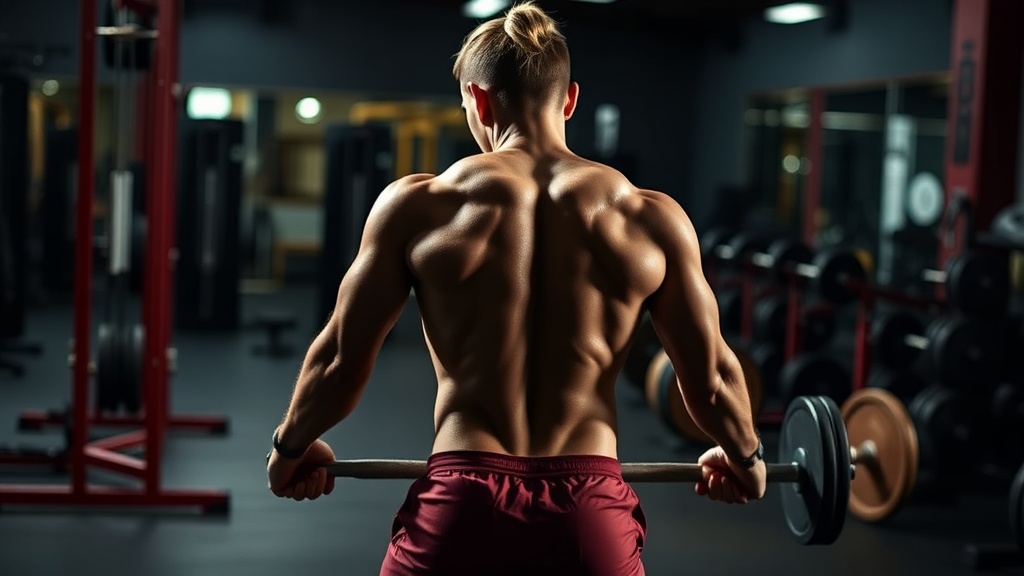
Strengthening Your Posterior Chain for Better Pushing Power

Why does my back and glute fatigue during long sessions?
Ever finished a long session and felt that nagging ache in your lower back or the deep tightness in your glutes? You aren't alone. Longboarding isn't just about the legs; it's a full-body engagement that relies heavily on the posterior chain—the group of muscles running down your back, glutes, and hamstrings. If these muscles aren't strong or conditioned, your pushing becomes inefficient, your posture slumps, and you'll likely find yourself gasping for air much sooner than you should. This post looks at how to build that specific strength so you can ride longer and harder without the usual fatigue.
When you push, you aren't just using your quads. You're relying on a synchronized movement of the hips, glutes, and even your lower back to stabilize your center of gravity. If your posterior chain is weak, your body compensates by shifting weight awkwardly, which leads to uneven wear on your shoes and unnecessary stress on your joints. We're going to break down the specific movements that build this endurance.
The Role of the Glutes in Board Stability
The glutes are the engine of your lower body. They drive the power behind every push and keep your hips stable while you're carving. Without strong glutes, you might notice your hips swaying too much during high-speed carves—a movement that can lead to a loss of balance. Strengthening these muscles through targeted resistance training helps you maintain a solid base, even when the terrain gets bumpy or uneven. Think of your glutes as the foundation of your kinetic chain; if the foundation is shaky, the whole ride feels unstable.
Top Exercises for Posterior Chain Development
To build a body that can handle hours on the board, you need a mix of heavy lifting and functional movement. Here are a few ways to get started:
- Romanian Deadlifts: These are a staple for a reason. They target the hamstrings and glutes, teaching you how to hinge at the hips—a movement you use constantly when transitioning from a push to a glide.
- Glute Bridges: These are great for isolation. They help ensure your glutes are firing correctly without too much interference from your quads.
- Single-Leg Romanian Deadlifts: Since longboarding is essentially a series of one-legged movements (one foot on the board, one foot pushing), single-leg stability is a massive advantage. It builds the stabilizer muscles around your ankle and knee.
- Kettlebell Swings: These build explosive power and endurance in the lower back and hips, which translates directly to much more forceful pushes.
How often should I train for strength?
Consistency beats intensity every time. You don't need to spend three hours in the gym to see progress. Aim for two to three dedicated strength sessions per week that focus on these posterior movements. On your off days, don't just sit around—keep the blood flowing with light movement. If you're feeling particularly tight, checking out resources like the Healthline guide to strength training can provide more context on how to structure your progressive overload. You want to gradually increase the weight or reps to keep challenging your muscles without hitting a plateau.
Is strength training better than cardio for longboarding?
It's not an either/or situation; you need both. While cardio builds your lung capacity, strength training builds the structural integrity of your body. A high level of cardiovascular fitness helps you breathe through a long cruise, but a strong posterior chain prevents your form from breaking down when you're tired. If your form breaks down, you're more prone to injury. For a deeper look at how physical activity impacts long-term health, the Mayo Clinic offers great perspectives on maintaining a balanced fitness routine. You want to be a rider who is not just fast, but also durable.
Remember, the goal isn't to become a bodybuilder. The goal is to become a more capable longboarder. Every rep you do in the gym should have a purpose: a stronger push, a more stable carve, and a more resilient body. When you focus on the posterior chain, you're investing in your ability to ride for years to come. Don't neglect the muscles that work behind the scenes; they are what keep you moving forward when the legs start to feel heavy.